What Is Creosote and Why Is It Dangerous?
Creosote is the tarry byproduct of burning wood — and the number one cause of chimney fires. Here is what every homeowner should understand about it.
 Kirk ChandlerLicensed Public Adjuster & Homeowner Advocate
Creosote is the dark, tar-like residue that condenses on the inside of your flue as wood smoke cools on its way up the chimney. Every wood fire produces it to some degree — it is a natural byproduct of combustion. The problem is that creosote is highly combustible, and when enough of it accumulates, the intense heat of a hot fire can ignite it. That is a chimney fire, and it is the reason creosote is considered the single greatest hazard associated with wood-burning fireplaces.
A chimney fire can burn quietly and unnoticed, or it can be loud and dramatic, with roaring, cracking, and flames shooting from the top of the chimney. Either way, it can crack liners, damage masonry, and spread into the structure of the home. Understanding how creosote forms is the first step to preventing it.
The three stages of creosote
Creosote is often described in three stages, based on how far it has hardened and how difficult it is to remove:
- Stage 1: a light, flaky, soot-like layer that a brush removes easily — this is the goal, and why regular sweeping is so effective
- Stage 2: hardened, shiny flakes with a tar-like quality that are noticeably tougher to remove and may require special tools
- Stage 3: a thick, glazed, hardened tar that is difficult and dangerous to remove, often requiring chemical treatment to break it down before it can be brushed out
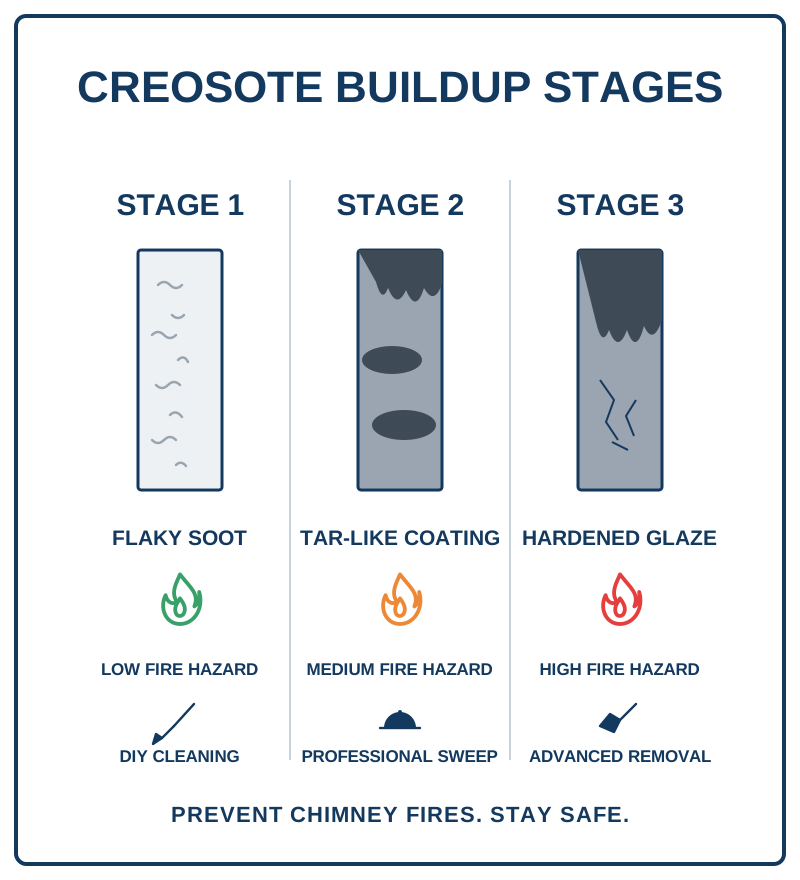
When a sweep pulls stage-three glaze out of a flue, it does not look like soot at all — it looks like a shiny black tar coating the tile, almost like someone painted the inside of the chimney. That is the buildup most often found in homes that lean on a wood stove insert for heat and run slow, damped-down fires to make the wood last overnight. It is also the hardest and most expensive to remove, which is the whole argument for not letting it get there.
The progression matters because it only goes one direction if left alone. The longer buildup sits, the more it hardens, and the harder and costlier it becomes to remove. Stage 3 glaze, in particular, is both the most flammable form and the most stubborn to deal with. Regular sweeping keeps creosote in the easy-to-clean first stage, which is exactly why annual maintenance is so much cheaper than the alternative.
What makes creosote build up faster
Creosote forms when combustion is incomplete and smoke cools before it exits the flue. Several conditions accelerate that process:
- Burning unseasoned or wet wood, which produces cooler, smokier fires
- Restricted air flow and smoldering, low-temperature fires — often from closing the damper too far or overloading the firebox
- An oversized, exterior, or cold flue that cools the smoke too quickly
- Failing to let the fire reach and maintain a hot, efficient burn
Warning signs you may have a problem
Between inspections, a few clues suggest creosote is accumulating faster than it should: fires that are hard to keep going, a strong smoky or acrid odor, dark soot around the fireplace opening, or reduced draft. Any of these is worth a professional look.
Frequently asked questions
- Can I remove creosote myself?
- Light, stage-one soot can be reduced with a brush, but hardened stage-two flakes and glazed stage-three tar require professional tools and sometimes chemical treatment. Because creosote removal goes hand in hand with checking the flue for damage, it is best handled by a professional.
- How do I know if I have had a chimney fire?
- Signs include puffy or honeycombed creosote, cracked or discolored flue tiles, a warped damper, or debris in the firebox. In the field, the puffy "marshmallow" creosote is the giveaway pros spot most often — it means buildup ignited and expanded. Many chimney fires go unnoticed at the time, so any of these found during an inspection should be evaluated before you use the fireplace again.
Need help with this?
Our team provides chimney sweeping & cleaning across Maryland, DC & Northern Virginia. Get a free estimate today.