Chimney Leaks: The Five Places Water Actually Gets In
Water almost never enters a chimney where the stain appears. Here are the five entry points a pro chases down when tracking a leak to its real source.
 Kirk ChandlerLicensed Public Adjuster & Homeowner Advocate
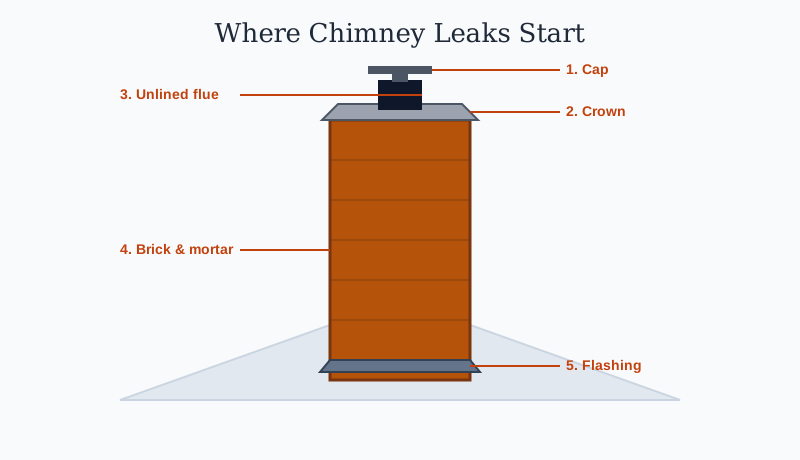
Here is the thing that makes chimney leaks so frustrating: the water almost never gets in where you see the damage. A homeowner points to a brown stain on the ceiling beside the chimney, understandably certain that is where the problem is — but water is patient and sneaky. It finds an entry point up top, travels along framing and masonry, and shows up somewhere else entirely. Tracking a leak means knowing the handful of places water actually gets in and checking each one. There are five.
1. The flashing
Flashing is the metal that seals the joint where the chimney passes through the roof, and it is the number-one source of chimney leaks pros find. It is a tricky seam to waterproof, it is often installed poorly, and the sealant used at the top edge dries out and cracks over years of sun and weather. Because the flashing sits right at the roofline, a flashing leak usually shows up as a stain on the ceiling or wall right next to the chimney — which is why it is the first place a pro looks.
2. The crown
The crown is the concrete or mortar slab at the very top of the chimney that sheds water away from the flue. When it cracks — and in our freeze-thaw climate they crack — water runs straight down into the masonry below. Crown cracks are one of the most common problems pros find, and left alone they feed water into the whole stack.
3. The cap (or a missing one)
The cap covers the flue opening itself. Without one — or with a rusted, dislodged one — rain falls directly down the flue into the chimney and firebox. A missing cap also lets in the animals and debris that cause their own problems, so it is a cheap part that prevents several expensive ones.
4. The brick and mortar
Brick is porous, and old, weathered mortar joints even more so. Over time masonry absorbs water directly through its face and through failed joints. This is the entry point most homeowners do not realize exists — the chimney does not need an obvious hole to leak, it can simply soak up water like a sponge. It is also why waterproofing the masonry with a breathable sealant is often part of a lasting fix.
5. The flue itself
Finally, an unlined or damaged flue lets any water that does get in soak into the surrounding masonry rather than draining cleanly. This one tends to compound the others.
Why guessing wastes money
The reason a good pro tracks leaks methodically instead of just slapping sealant on the nearest crack is that the wrong fix does nothing except cost you money and buy time for the water to keep working. Pros have followed plenty of leaks that stained a first-floor ceiling all the way back up to failed flashing or a cracked crown two stories above. Find the true entry point, fix that, and waterproof what needs it — that is what actually stops the leak.
Frequently asked questions
- Why does my chimney only leak sometimes?
- Leaks often depend on wind direction, how hard it is raining, and whether snow is melting slowly into a crack. A crown or masonry leak may stay hidden in a light rain and only show up in a wind-driven storm, which is part of why they are tricky to pin down.
- Can I just seal the crack myself?
- You can sometimes slow a leak with sealant, but if you have not confirmed where the water is truly entering, you may seal the wrong spot entirely. Because water travels before it shows, finding the real entry point first is what makes the repair last.
Need help with this?
Our team provides chimney leak repair across Maryland, DC & Northern Virginia. Get a free estimate today.